
This is an interesting question that I was asked during the last warm spell. And given the weather forecast for this weekend is for it to be another warm one, I thought I should write and share.
You will normally be able to tell from your fish’s behaviour if they are short of oxygen, as there a number of tell tale signs you can observe.
Gasping at the Surface: This is the most obvious sign that you will get, and is also what prompted the question to me a few weeks ago. You will find if they are short of oxygen that your fish will hang out right at the top of the pond, seemingly trying to breath the air – it will look like they are kissing the surface of your pond. This is because they are trying to access the thin boundary layer of water at the very top, which holds the most dissolved oxygen.
Rapid Gill Movement: Take a look closely at their gills. If the gills are pumping hard and opening and closing much faster than usual, then they are working overtime to push water over their gills to try and extract whatever oxygen is left is left in the water.
Lethargy and Low Energy: If your fish are experiencing low oxygen levels in the water then they will stop swimming around, exploring, and playing. You will also likely find that they might rest at the bottom of the pond or they just hover limply in one spot because they don’t have the energy to move.
Loss of Appetite: If your fish suddenly start to ignore food at their normal feeding time, it is likely that low oxygen could well be making them feel too weak or stressed to eat.
How Does Oxygen Gets Into The Water?
You will often hear a common misconception that the bubbles from an air stone or similar will pump oxygen directly into the water. However, in reality, oxygen enters water through agitation of the pond surface.
When the surface of the water in your pond ripples, moves, or breaks, it then allows carbon dioxide to escape from the water and at the same time also allows oxygen from the air to dissolve into the pond. All that the bubbles from an air stone do is to push water from the bottom to the top which in turn creates that necessary ripple effect.
Quick Fixes if Your Fish Are Gasping
If you suspect your fish are short of oxygen and struggling to breathe, then you of course need to act quickly to get the water moving so that oxygen can be absorbed and carbon dioxide released:
- Do a Partial Water Change: Replace some of the pond water with clean, fresh water. As well as the process of this breaking up the surface of the pond as you do it, the new water will naturally bring a fresh boost of dissolved oxygen.
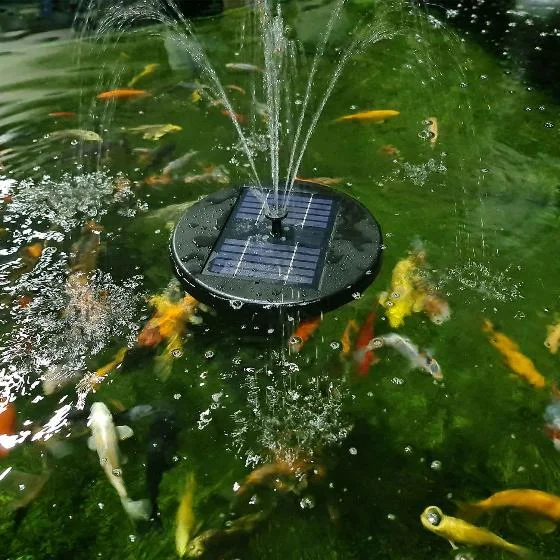
- Agitate the Surface Of The Pond Manually: This is where it is ideal to have a pond pump or fountain set up. The movement this creates with the water when you run it will help break up the surface of the water and allow the oxygen levels to increase.
Hopefully you have found this post to be helpful, and you now know what to look out for in your pond. Remember in warm weather your fish are much more likely to suffer from a lack of oxygen. If you have a fountain or similar, it may be helpful to set it to come on automatically on a timer or similar


