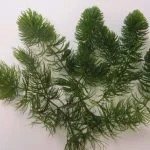
Every year in the pond I will get a mass of eggs and spawn, which always has me curious as to the process involved in fish breeding.
Goldfish will breed and reproduce by scattering eggs. The process of reproduction for them is a high-energy event often triggered by seasonal changes. In both ponds and aquariums, the process is famous for being quite “frantic.”
The Trigger
In the wild, goldfish will typically breed in the late spring and early summer as water temperatures start to rise.
- Temperature: A shift to around 20°C (68°F) will typically signal to the fish that it is time for them to spawn.
- Diet: A boost in protein such as brine shrimp or bloodworm will helps to condition the females to produce their eggs.
- The Signs: You can tell they are ready by looking at them:
- Males: Develop tiny white bumps called breeding tubercles (they look like grains of salt) on their gill covers and pectoral fins.
- Females: Become noticeably rounder and fatter in appearance when viewed from above as they start to fill with eggs.
The Spawning “Chase”
When the female is ready, she will release pheromones that attract the males and drive them into a frenzy.
- The Pursuit: The males will relentlessly chase the female, nudging and “bumping” her abdomen. This is actually a physical tactic to encourage her to release her eggs.
- Egg Release: The female swims into thick vegetation or “spawning mops” and releases her eggs.
- Fertilisation: As the eggs are released, the male immediately sprays milt (sperm) over them. Goldfish eggs are adhesive; they stick to the first thing they touch—usually plants, roots, or the tank glass if they are in an aquarium.
Development and Survival
Goldfish have no parental or familiar instinct towards their offspring. In fact, they will often turn around and start eating the eggs immediately after spawning.
| Stage | Timeline | What Happens |
| Egg | Days 1–4 | Fertilized eggs are clear/amber. Unfertilized eggs turn white and fuzzy. |
| Larvae | Days 4–7 | They hatch but can’t swim well. They have a “sticky” pad on their heads to hang onto plants while they absorb their yolk sac. |
| Fry | Day 7+ | Once the yolk is gone, they become “free-swimming” and must find microscopic food (infusoria) to survive. |